
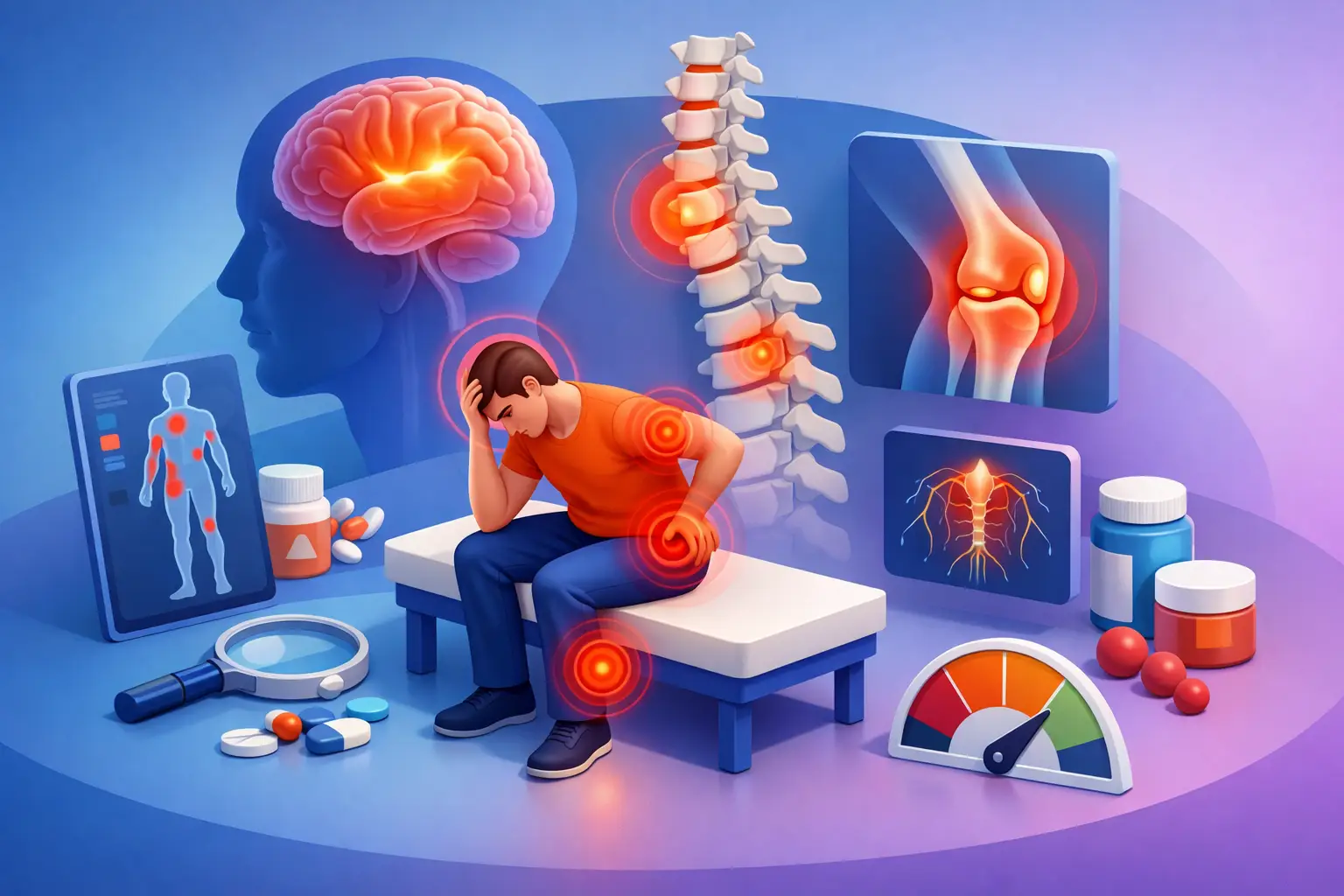
Pain that lingers for months can change far more than your comfort level. It can affect how you sleep, how long you can sit at work, whether you can exercise, and even how patient you feel with the people you care about. If you have been asking what is chronic pain syndrome, the short answer is that it is persistent pain that continues beyond normal healing time and often begins to affect multiple parts of daily life.
That definition is simple, but the condition is not. Chronic pain syndrome is not just a symptom that lasts too long. For many patients, it becomes a broader medical issue involving the nervous system, physical function, mood, sleep, and overall quality of life. Understanding that bigger picture is often the first step toward meaningful treatment.
What Is Chronic Pain Syndrome and How Is It Different?
Chronic pain usually refers to pain that lasts longer than three months or continues after an injury, surgery, or illness should have healed. Chronic pain syndrome is often used when that ongoing pain is accompanied by secondary effects such as fatigue, depression, anxiety, reduced mobility, weakness, disrupted sleep, and difficulty performing normal activities.
In other words, the pain is real, but it is also no longer isolated. It starts to influence the way the body processes discomfort and the way a person functions day to day. Someone with chronic pain syndrome may have a clear structural issue, such as spinal arthritis, nerve irritation, or joint damage. Others may have pain that seems out of proportion to imaging findings. Both situations can be legitimate, and both deserve careful evaluation.
This is one reason generalized advice often falls short. Two people can both say they have chronic back pain, yet one may need a targeted injection for an inflamed nerve root while the other may need a broader treatment plan that addresses nerve sensitivity, sleep disruption, and deconditioning.
Why Chronic Pain Becomes a Syndrome
Acute pain has a purpose. It alerts the body to injury. Chronic pain is different because the pain signaling can continue even when the original tissue damage has improved or stabilized.
Over time, the nervous system can become more sensitive. Nerves may fire more easily. The spinal cord and brain may become more reactive to pain signals. Muscles may tighten in response, leading to further discomfort and reduced movement. Then a cycle begins. Pain limits activity, reduced activity weakens the body, weakness increases strain, and sleep loss lowers the body’s ability to cope.
That cycle does not mean the pain is psychological or imagined. It means chronic pain can become self-reinforcing unless it is addressed in a structured, individualized way.
Common Symptoms of Chronic Pain Syndrome
Pain is the central symptom, but it is rarely the only one. Many patients describe aching, burning, stabbing, throbbing, or radiating discomfort that persists for months. The location depends on the underlying condition. It may affect the neck, low back, hips, knees, shoulders, head, or nerves running into the arms or legs.
Beyond the pain itself, chronic pain syndrome often includes sleep problems, low energy, stiffness, reduced endurance, and difficulty concentrating. Some people also notice mood changes, irritability, or a sense that normal activities have become unpredictable. When pain controls your schedule, it can gradually shrink your world.
That broader impact matters clinically. A treatment plan focused only on pain scores, without considering walking tolerance, work function, sleep quality, or medication burden, may miss what improvement actually looks like for the patient.
What Causes Chronic Pain Syndrome?
There is not one single cause. In many cases, chronic pain syndrome develops from an identifiable condition that never fully resolves or continues to irritate nerves, joints, or other structures. Common contributors include spinal stenosis, herniated discs, sciatica, arthritis, post-surgical pain, neuropathy, complex regional pain syndrome, migraines, and old injuries that left lasting changes.
Sometimes the original trigger is obvious. A car accident, work injury, fall, or surgery may mark the beginning. In other cases, pain develops more gradually from wear and tear, inflammation, repetitive strain, or degenerative changes.
There is also an important gray area. A patient may have significant pain with imaging that looks only moderately abnormal, or severe imaging findings with less pain than expected. Pain does not always match scans perfectly. That is why experienced pain evaluation matters. Good care involves connecting the patient’s history, physical examination, imaging, and functional limitations rather than relying on one piece of data alone.
When to Seek Medical Evaluation
If pain has lasted more than three months, is getting worse, or is interfering with work, sleep, mobility, or independence, it is worth a specialist evaluation. The same is true if you are relying more heavily on medication but not functioning better.
Some patients wait because they assume persistent pain is something they simply have to live with. Others are told to rest, stretch, or take another prescription and come back later. Conservative care can be appropriate, especially early on, but ongoing pain deserves a more precise look when symptoms persist.
A thorough evaluation should identify the likely pain generator, rule out more serious causes, and determine whether the problem is mechanical, inflammatory, nerve-related, or mixed. That distinction shapes treatment.
How Chronic Pain Syndrome Is Diagnosed
There is no single blood test or scan that confirms chronic pain syndrome by itself. Diagnosis is based on history, symptoms, exam findings, duration, and how the pain is affecting daily life.
A physician will usually ask when the pain began, what makes it better or worse, whether it radiates, how it affects sleep and mobility, what treatments have already been tried, and whether there are neurologic symptoms such as numbness, tingling, or weakness. Imaging may be useful, but only when interpreted in the context of the full clinical picture.
This is where a specialist approach can make a difference. Targeted diagnostics help clarify whether the main issue is coming from a facet joint, disc, sacroiliac joint, nerve root, peripheral nerve, or another source. Without that level of precision, treatment can become trial and error.
Treatment for Chronic Pain Syndrome
Effective care usually combines pain relief with functional restoration. The goal is not only to make pain less intense but to help patients move better, sleep better, and depend less on temporary fixes.
Treatment depends on the cause. For some patients, physical therapy and structured rehabilitation remain important, especially when weakness, instability, or guarding are part of the picture. Medication may also play a role, but long-term opioid use is not the only path and often is not the best long-term strategy.
When the pain source is more clearly defined, interventional pain management can offer more direct options. Image-guided injections may reduce inflammation around an irritated nerve or arthritic joint. Radiofrequency ablation may help when pain is coming from specific spinal joints. Spinal cord stimulation may be appropriate for certain cases of nerve pain or post-surgical pain. Other patients benefit from migraine-focused therapies, sympathetic blocks, or advanced options for treatment-resistant pain.
The right plan depends on the diagnosis, the duration of symptoms, prior treatment response, medical history, and what the patient is trying to get back to doing. A retiree who wants to walk comfortably, a professional who needs to sit through meetings, and a patient recovering from failed back surgery may all need different strategies even if they use the same phrase to describe their pain.
At Global Pain Solutions, that individualized model is central to care. The goal is to identify the root cause when possible, use minimally invasive options when appropriate, and build a plan around lasting function rather than symptom masking alone.
Can Chronic Pain Syndrome Improve?
Yes, but improvement often looks gradual rather than instant. Some patients experience major relief once the pain generator is correctly identified and treated. Others improve in stages by reducing pain flares, increasing activity tolerance, improving sleep, and lowering reliance on medication.
It also depends on how long the pain has been present and whether there are multiple overlapping issues. Chronic pain that involves arthritis, nerve irritation, poor sleep, and deconditioning may require a broader plan than pain from one isolated inflamed joint. That does not make recovery impossible. It means treatment should be realistic, structured, and personalized.
Patients often feel discouraged because they have already tried something that did not work. One failed medication, one round of therapy, or one injection does not mean the condition is untreatable. It may simply mean the diagnosis needs to be refined or the treatment strategy needs to change.
What Patients Should Remember
If you are living with persistent pain, asking what is chronic pain syndrome is really asking a deeper question: why has this gone on so long, and what can actually be done about it? That is the right question to ask.
Chronic pain syndrome is not a personal failure, and it is not something you should be expected to just tolerate indefinitely. With a thoughtful evaluation and a treatment plan built around the true source of pain, many people can regain meaningful function, better mobility, and more control over everyday life. The most helpful next step is often the one that brings clarity.