
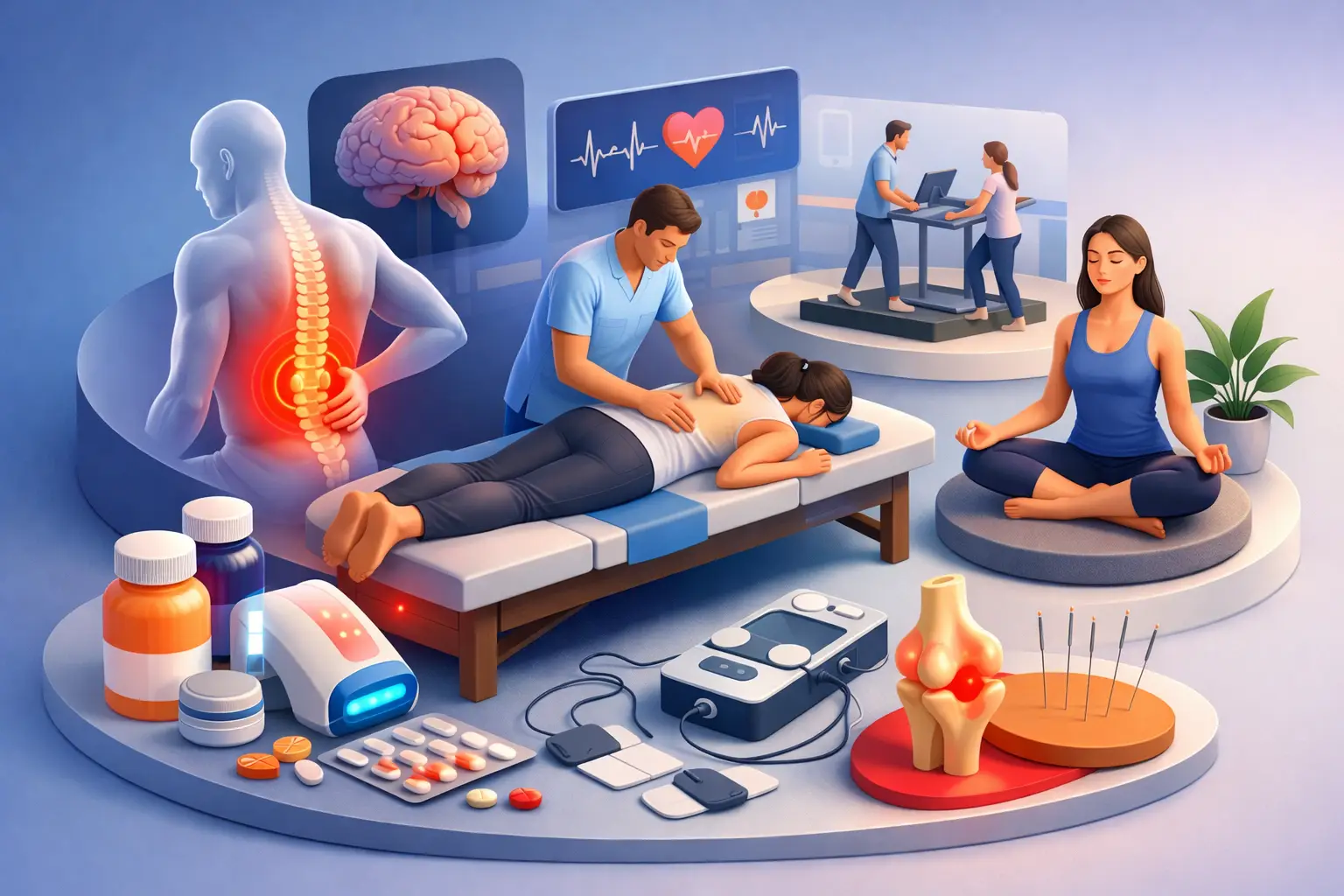
When pain lasts for months, it stops feeling like a symptom and starts shaping your entire day. If you are searching for how to treat chronic pain syndrome, the real answer is rarely a single pill, injection, or procedure. Effective care usually means identifying the pain generator, understanding how the nervous system is involved, and building a treatment plan that helps you move better, function more fully, and depend less on temporary fixes.
What chronic pain syndrome really means
Chronic pain syndrome is more than pain that has simply lasted longer than expected. In many patients, pain continues after the original injury should have healed, or it becomes more widespread and disruptive over time. The body, nerves, joints, spine, muscles, and brain can all play a role.
That is why two people with similar MRI findings may feel very different levels of pain. One may have manageable discomfort, while the other struggles to work, sleep, drive, or exercise. Chronic pain syndrome often includes fatigue, poor sleep, reduced mobility, mood changes, and a growing fear that activity will make things worse. Good treatment has to account for all of that, not just the pain score.
How to treat chronic pain syndrome the right way
The most effective approach is individualized. Chronic pain is not one condition with one standard solution. It may be driven by spinal inflammation, arthritis, nerve irritation, post-surgical changes, migraines, scar tissue, joint instability, or a sensitized nervous system. Sometimes several of these are happening at once.
A strong treatment plan starts with a precise diagnosis. That includes a detailed history, physical examination, review of imaging, and in some cases diagnostic injections or other tools to confirm the source of pain. This step matters because treatment aimed at the wrong target often leads to frustration, wasted time, and unnecessary medication use.
Once the pain source is clearer, treatment should focus on three goals at the same time: reducing pain, improving function, and creating a path to longer-term stability. Relief that lasts one week but leaves you unable to return to normal life is rarely enough. The better question is whether treatment helps you sit, stand, sleep, walk, work, and live with more freedom.
Why medication alone is usually not enough
Many patients first receive pain treatment through primary care, urgent care, or after an injury. Often that begins with anti-inflammatory medication, muscle relaxers, nerve pain medication, or opioids. These tools can have a role, but they are not the whole answer for chronic pain syndrome.
Opioids in particular come with clear trade-offs. They may reduce pain temporarily, but over time they can lead to tolerance, sedation, constipation, mental fog, physical dependence, and in some cases increased pain sensitivity. That does not mean every patient should avoid medication entirely. It means medication should support a broader strategy rather than become the strategy.
For many people, the best results come from using the lowest effective medication burden while pursuing treatments that address the underlying pain generator. This is especially important when pain has lasted for months or years and is interfering with daily function.
Interventional treatments can target the source
When conservative care has not brought enough relief, minimally invasive interventional pain management can offer a more precise path forward. These treatments are designed to target specific structures contributing to pain rather than masking symptoms across the entire body.
For spinal pain, options may include epidural steroid injections when nerve inflammation is a major factor, facet or joint injections when arthritis or localized inflammation is involved, and radiofrequency ablation when certain spinal nerves are repeatedly transmitting pain from arthritic joints. For nerve-related pain, sympathetic blocks or other targeted procedures may help interrupt abnormal pain signaling.
Some patients with persistent pain after surgery, complex nerve pain, or treatment-resistant back and leg pain may benefit from spinal cord stimulation. This is not the first step for everyone, but for the right patient it can provide meaningful relief and improve function without requiring major surgery. In other cases, treatments such as ketamine infusions, migraine Botox, viscosupplementation, or kyphoplasty may fit the clinical picture.
What matters most is matching the right procedure to the right diagnosis. Precision matters. A well-chosen intervention can reduce inflammation, calm irritated nerves, improve mobility, and allow progress with physical activity and rehabilitation.
Movement still matters, but it has to be realistic
Patients with chronic pain often hear that they need to exercise more. While movement is important, that advice can feel frustrating if every attempt makes symptoms worse. The goal is not to push through severe pain or follow a generic workout plan. The goal is to restore safe, steady function.
That may begin with physical therapy, chiropractic care, guided stretching, posture correction, core stabilization, or low-impact strengthening. The exact plan depends on the condition. Someone with lumbar radiculopathy needs a different strategy than someone with knee osteoarthritis or chronic neck pain.
Progress is often gradual. Some days are better than others. That does not mean treatment is failing. It means the plan should be adjusted to your tolerance and your goals. Better pain care respects that recovery is rarely linear.
Sleep, stress, and the nervous system are part of treatment
One reason chronic pain syndrome is so difficult is that it can affect the entire nervous system. Poor sleep lowers pain tolerance. Ongoing stress can increase muscle tension and make pain feel louder. Anxiety about movement can lead to guarding and deconditioning, which then reinforces the cycle.
Addressing these factors is not the same as saying pain is psychological. It is acknowledging that chronic pain is both physical and neurologic. Treating it well often means improving sleep quality, reducing flare triggers, and helping the body become less reactive over time.
For some patients, medication adjustments help. For others, a combination of procedural treatment and improved activity tolerance creates better sleep and less stress naturally. The best plans recognize that pain relief and nervous system regulation often improve together.
How to know when you need specialized pain care
If you have tried rest, medications, therapy, or standard treatment and your pain still controls your routine, it may be time for a more specialized evaluation. The same is true if imaging shows a problem but no one has clearly explained which structure is causing your symptoms, or if surgery has been suggested before less invasive options were fully explored.
Specialized care is also important when pain is becoming more complex. Warning signs include pain that radiates down the arm or leg, numbness or tingling, repeated flare-ups, headaches or migraines that disrupt work, severe joint pain that limits walking, or post-surgical pain that never truly settled down.
At that stage, the question is no longer just how to get through the week. It becomes how to build a care plan that gives you a better long-term outlook.
What a personalized treatment plan should include
A thoughtful plan should be specific to your diagnosis, symptoms, and daily demands. For one person, success means getting back to golf. For another, it means sitting through the workday, sleeping through the night, or walking without needing frequent breaks. Those details matter because treatment should be built around function, not just imaging findings.
In practice, that may mean combining medication management with image-guided injections, then adding rehabilitation once inflammation is reduced. It may mean using diagnostic procedures first to confirm the source of pain before deciding on radiofrequency ablation or spinal cord stimulation. It may also mean avoiding surgery when less invasive options are more appropriate.
This physician-led, stepwise approach is central to modern pain management. At Global Pain Solutions, that model allows treatment to stay focused, evidence-based, and adaptable as the patient responds.
Relief is possible, even if pain has been going on for a long time
One of the hardest parts of chronic pain syndrome is the feeling that you have already tried everything. In reality, many patients have tried many things, but not always the right combination in the right sequence. That distinction matters.
Persistent pain often needs more than broad advice and temporary prescriptions. It needs careful diagnosis, targeted treatment, and a plan built around your life. When care is precise and personalized, many patients can reduce pain, move more comfortably, and regain activities they thought were off the table.
If you have been living around your pain instead of past it, the next step is not to settle. It is to find treatment that looks deeper, aims higher, and helps you get back to the parts of life that pain has been taking from you.