
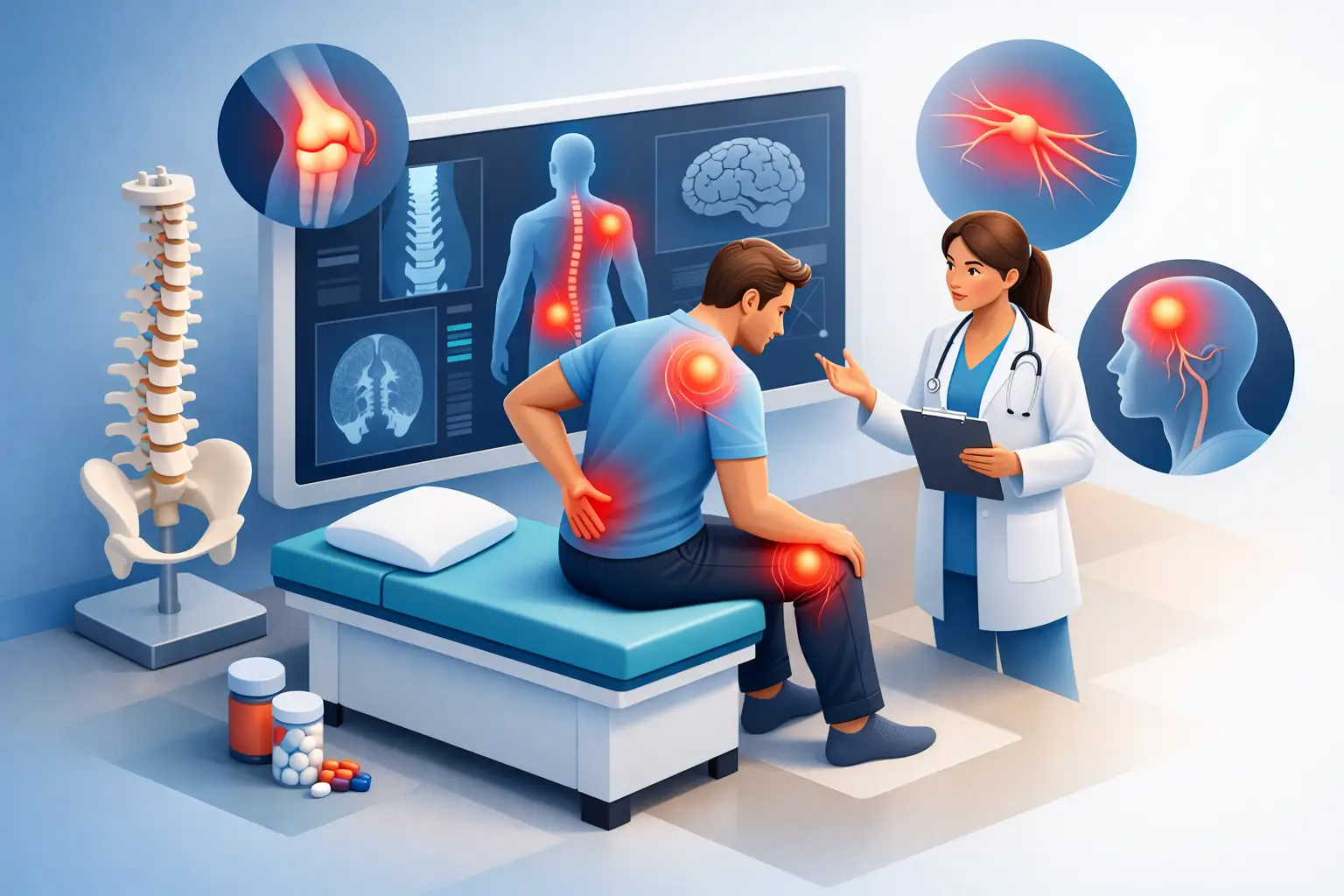
A sore back after a long weekend or a stiff knee after exercise may improve with rest, time, and basic care. But pain that keeps you from sleeping, working, driving, walking comfortably, or participating in family life deserves a more focused answer. If you are asking, “when should you see a pain specialist,” the deciding factor is often not just how much pain you have. It is how long it has lasted, how it affects your function, and whether the treatments you have already tried are helping.
Pain management specialists evaluate persistent and complex pain through a different lens than a quick prescription or a generic recommendation to rest. The goal is to identify likely pain generators, clarify what may be aggravating them, and build a personalized plan that supports meaningful movement and long-term quality of life.
When Should You See a Pain Specialist?
A pain specialist can be appropriate when pain lasts longer than expected, returns repeatedly, or continues despite conservative treatment. Many people seek specialty care after several weeks or months of symptoms, especially if the condition is limiting their work, mobility, independence, or sleep. Chronic pain is commonly defined as pain lasting three months or longer, but you do not always need to wait that long to seek an evaluation.
Earlier consultation may be reasonable when pain is severe, rapidly interfering with daily life, or associated with a known condition such as a herniated disc, spinal stenosis, osteoarthritis, a prior injury, or post-surgical pain. The same is true when you have tried physical therapy, anti-inflammatory medication, home exercises, or other first-line options without enough improvement to resume normal activities.
A referral is not a commitment to a procedure, surgery, or long-term medication. It is an opportunity to understand your options with a physician whose practice is centered on diagnosing and treating pain conditions.
Signs Your Pain Needs More Than Basic Care
Pain is personal, and there is no single timeline that fits everyone. Still, certain patterns suggest that a specialty evaluation could be useful.
One common signal is pain that has stopped responding to the care that usually works. Perhaps over-the-counter medication takes the edge off but does not restore function. Maybe physical therapy helped at first, then progress stalled. Or you have had multiple rounds of treatment with only short-lived relief. These are not failures on your part. They are useful clinical clues that the source of pain may need a more precise assessment.
Another signal is pain that changes the way you move. Limping, avoiding stairs, favoring one side of the body, or limiting activity because you fear a flare-up can create additional strain over time. A person with sciatica may begin avoiding sitting altogether. Someone with joint pain may stop walking for exercise. When pain begins shrinking your life, it is reasonable to seek more targeted help.
You may also benefit from a pain specialist if medication has become the main strategy but is no longer delivering acceptable relief or causes side effects that interfere with daily living. Thoughtful medication management can have a role in care, but it should be part of an individualized plan rather than the only answer. For many patients, the goal is to reduce reliance on medications that do not address the underlying pain source.
Conditions That Often Benefit From Specialty Evaluation
Interventional pain management is not limited to one diagnosis. It can help patients with a range of musculoskeletal, spinal, nerve-related, and headache conditions when symptoms are persistent or difficult to manage.
Back and neck pain are among the most common reasons patients seek care. The cause may involve disc irritation, facet joint arthritis, spinal stenosis, sacroiliac joint dysfunction, muscle-related pain, or nerve compression. Symptoms can overlap, which is why a careful evaluation matters. Lower back pain with radiating leg pain, numbness, tingling, or weakness may point toward nerve involvement, while pain that worsens with standing, twisting, or extending the back may have a different source.
Joint pain can also become more complicated than “wear and tear.” Knee, hip, shoulder, and other joint conditions may respond differently depending on the severity of arthritis, prior injuries, activity level, and surrounding soft-tissue irritation. Persistent pain after surgery, including pain that remains after a spine or joint procedure, can require an especially individualized approach.
Recurring migraines and certain nerve pain conditions may also warrant specialty care when standard treatments have not provided reliable control. The right treatment is never determined by diagnosis alone. Your symptoms, exam findings, medical history, imaging when appropriate, goals, and prior treatment response all matter.
What a Pain Specialist Can Do Differently
A comprehensive pain consultation begins by listening to the story behind the symptoms. When did the pain start? What movements trigger it? Does it travel, burn, ache, or cause numbness? What has helped, and what has not? These details can help distinguish between pain that originates in a joint, disc, nerve, muscle, or another structure.
The next step may include a focused physical examination and review of prior imaging or records. New imaging is not automatically necessary for every patient. It is most useful when it will change the treatment plan or clarify a concern that cannot be answered through the history and exam alone.
When appropriate, a pain physician may recommend minimally invasive, image-guided treatment to both confirm and address a suspected pain source. For example, epidural steroid injections may be considered for certain types of radiating spinal pain, while joint injections or radiofrequency ablation may help selected patients whose pain is linked to arthritic joints. Other options can include sympathetic blocks, spinal cord stimulation for carefully screened candidates, medication management, migraine Botox, or complementary care such as chiropractic treatment.
These treatments are not interchangeable, and not every patient needs an injection. The strongest plan is one that matches the treatment to the diagnosis and the person, rather than offering the same solution to every type of pain.
When Pain Requires Urgent Medical Attention
A pain specialist is often the right next step for ongoing symptoms, but some symptoms require urgent or emergency evaluation instead. Seek immediate medical attention for:
- New loss of bowel or bladder control, or numbness in the groin or inner thighs
- New or worsening weakness in an arm or leg, especially if it affects walking or coordination
- Severe pain after a major fall, crash, or other significant injury
- Back or neck pain with fever, unexplained weight loss, a history of cancer, or signs of serious infection
Chest pain, shortness of breath, sudden severe headache, facial drooping, confusion, or other possible stroke or heart symptoms should also be treated as emergencies. Do not wait for a routine pain appointment if these symptoms are present.
Preparing for Your First Appointment
You do not need to arrive with a perfect explanation of your pain. However, a few details can make your visit more productive. Bring a list of current medications, prior procedures or surgeries, relevant imaging reports, and notes about treatments you have already tried. It also helps to describe your functional goals in practical terms, such as sleeping through the night, returning to work, walking the neighborhood, or playing with grandchildren without needing to stop because of pain.
Be ready to discuss what you hope to avoid as well. Some patients want to postpone or avoid surgery if medically reasonable. Others are concerned about long-term opioid use, recovery time, or medication side effects. Those preferences should be part of the conversation, alongside the medical evidence and the physician’s recommendations.
At Global Pain Solutions, care is built around this kind of individualized decision-making. A precise diagnosis and a realistic treatment plan can help patients move beyond temporary symptom masking toward safer, more durable relief.
Pain does not have to be accepted as the cost of getting older, working hard, or recovering from an injury. If your symptoms are persistent, limiting, or becoming harder to manage, a focused evaluation can give you clearer answers and a practical path back to the activities that matter to you.